דילוג לתוכן

Tom Cohen, full-stack developer

I've spent five years taking products from an idea to something people actually use.

I'm a developer, founder and lecturer. Over five years I've built iPhone and Android apps, web systems, back ends, automation and AI systems, for private clients, businesses and startups, and as independent products of my own.

Building my own products taught me to think about everything at once: what the user needs, how the interface should feel, how the system works, and what it will take to keep developing and maintaining it. That's the approach I bring to every project.

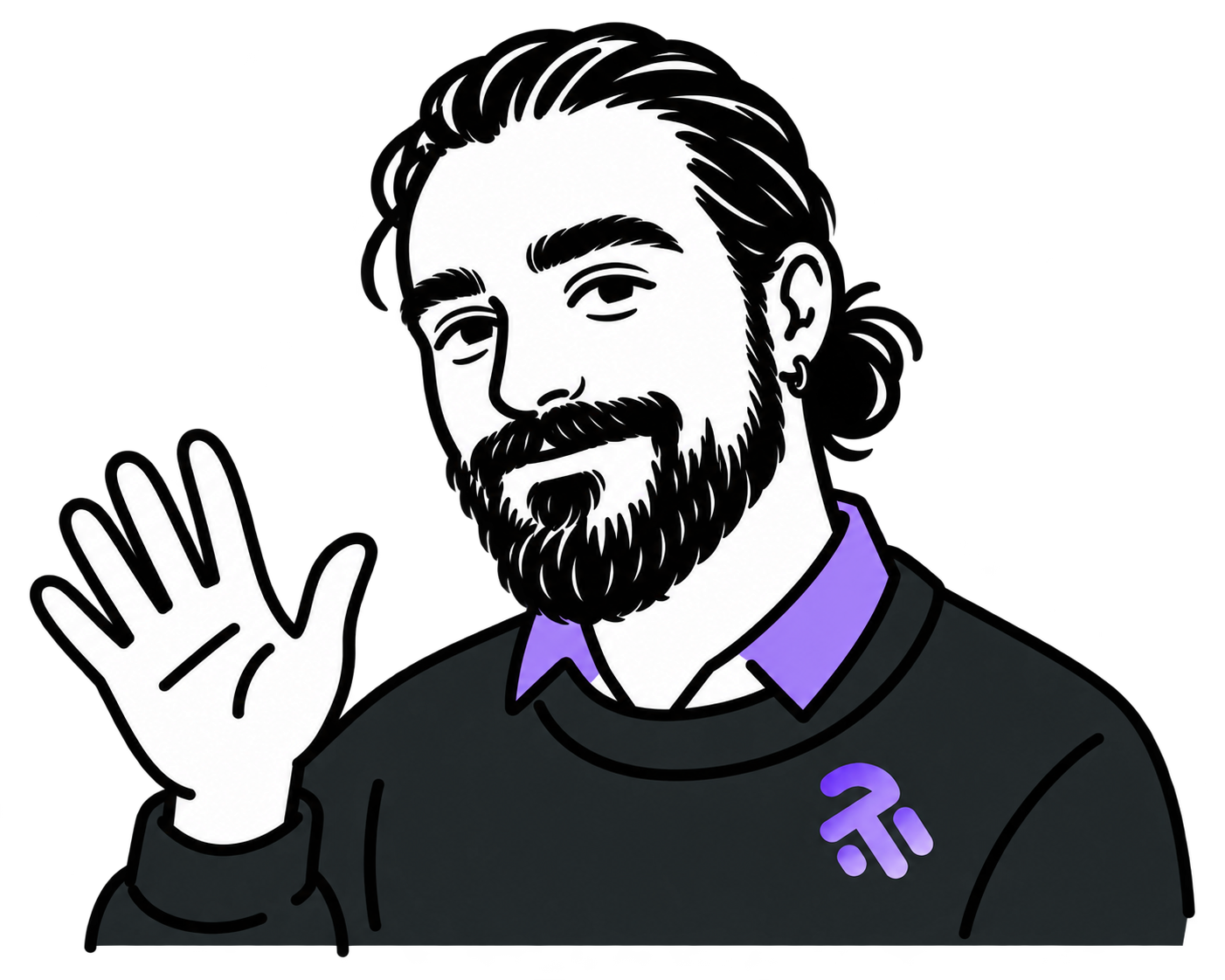
Illustration of Tom Cohen waving

I work with AI agents as a team

I plan the work, split it between agents, check what comes back and decide what ships. That's how a whole working product can now be built in a day or two.

I ship through automated releases

On every project, merging is releasing, every change gets a preview, and nothing reaches users before the checks pass.

What I've built

Products I designed and built on my own, from the first idea to launch.

MathbookLM

A math notebook that works with handwriting. You write on an infinite canvas, select a region, and it recognises what you wrote, solves or checks it in the browser, and writes the result back onto the canvas.

  • To keep the results trustworthy, the language model only reasons and orchestrates; the arithmetic itself is always computed deterministically.
  • I added interactive simulations that the model builds on the fly.
  • It has a paid tier, and I'm running a pilot program with tutors.

Gomlin Jobs

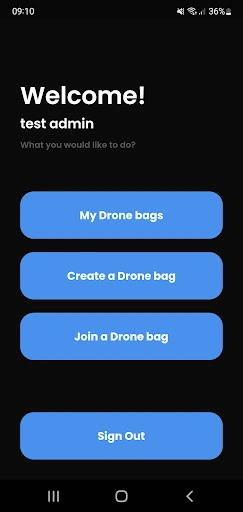
A swipe-to-apply job app on the App Store and Google Play. I built the whole system alone: the mobile app, the server, the job collection and the application automation.

  • Jobs are collected from about 46 sources, and every listing is classified with AI.
  • Applications are submitted automatically to common applicant tracking systems.
  • Recruiter replies are relayed to each user's real inbox.
  • I can switch any application source on or off without releasing a new version of the app.

Locket AI

An AI app that runs entirely on the phone, with no cloud at all: chat, image understanding and image generation.

  • To make it run on low-end phones, I built a layer that swaps models in and out to fit the available memory.
  • I connected the models natively on each platform: Kotlin on Android, Swift on iPhone, and C++ for image generation.

nykma

A local tool that turns a short brief into finished videos and post copy. An agent proposes an idea, builds the video in code with a render engine I wrote, and hands me files for each platform.

  • It started as Helix, a much heavier creative studio with eight sub-agents.
  • I compare prompt versions on 14 fixed briefs, judging cost and quality blind.
  • Nothing is published without my approval.

agents.tomcohen.dev

A workflow platform where AI agents are steps in the process. It works like n8n, but you change a workflow by asking an agent instead of editing it by hand.

  • Each workflow is a folder of plain files.
  • Code steps cost nothing, and agent steps run on my own server with the cheapest model that can do the job.
  • Anything that reaches the outside world waits for my approval and has a daily limit.

Problems I ran into

Some of the harder lessons from the last few years, and what I did about them.

Nobody knew about my apps

I'm a developer with no social media background, and posting stressed me out. I kept improving my products and putting off telling anyone about them.

What I did I built nykma to get from finished work to a video and a caption I can actually publish. Since then I've been sharing my work far more reliably. I wrote about it here.

More agents wasn't better

My first attempt, Helix, was a creative studio with eight sub-agents, model routing and a spending gate. It grew into a heavy system.

What I did I measured it against one agent with a short prompt and a set of reusable parts. The simpler setup won, so I rebuilt the tool that way as nykma and documented why.

The handoffs took the time

Agents could write useful code, and I still spent a lot of attention getting the work to the next step: which project it belonged to, what had been tried, whether the tests had finished, how to continue from another device.

What I did I built my setup on T3 Code and Kitshn, a collaborative project, with forks of my own, so work keeps moving between my decisions. The full story.

An app about to disappear

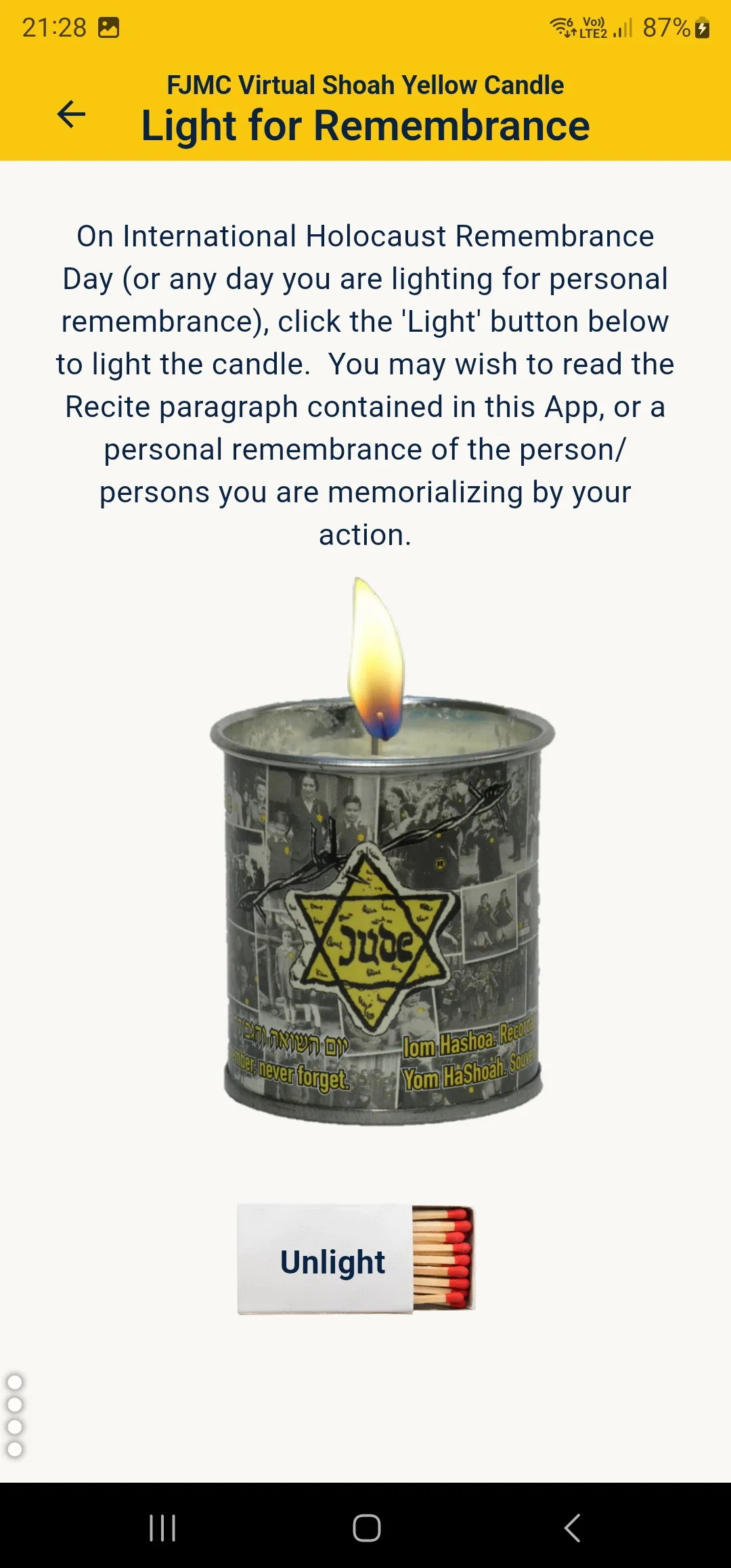
Yellow Candle, a Holocaust remembrance app for FJMC, was about to be removed from the app stores.

What I did I updated it to current store requirements and kept it available. The case study.

How I work today

An agent can write good code, but most of the value comes from the environment around it: the files, tools, instructions and permissions it works with, and how the work is split, who reviews whom and what counts as done.

A typical piece of work

  1. A lead agent gets the outcome and the constraints from me.
  2. It hands bounded tasks to other agents: research, implementation and an independent review. Each agent that touches code works in its own copy of the repository.
  3. Findings come back, and disagreements between agents get resolved.
  4. Everything is checked against real behaviour: a diff, a test run or a result I can reproduce.
  5. When the work waits for CI or a review, it picks up again by itself as soon as the result arrives.

Releasing without the drama

I design the release process of everything I ship. Nobody deploys by hand, every change can be seen before it goes live, and a broken change doesn't reach users quietly.

  1. push
  2. checks
  3. preview
  4. merge
  5. live
  6. verified
The same flow on every project.

Mobile

Gomlin
  • The staging build goes to testers and the main build goes to the stores, with no manual steps.
  • Build numbers and signing are handled by the pipeline, with separate development, staging and production versions.
tick3d for iPhone
  • Every build reaches external testers automatically, and a re-run never submits twice.
  • Every pull request also checks the release pipeline itself, so a broken pipeline shows up in review instead of on release day.
My T3 Code fork
  • The Android app is built, signed and updated automatically, and the desktop apps get nightly builds.

Web

Most of my sites
  • Every push to main goes live, and every pull request gets its own preview link.
Deployed means visible
  • On MathbookLM, a deploy only counts once the live site actually serves the new version.
  • On this site, every change is linted, type-checked, built and audited, and the live site is checked again after each deploy.

Servers

Container deploys
  • Each push runs the tests and builds a new image; the server pulls it and restarts, with staging and production kept apart.
My own server
  • Deploys need no stored keys, traffic only reaches healthy apps, and a repository's first deploy needs my approval.
  • Data is backed up daily, and private apps sit behind access control.
Safe restarts
  • A deploy never restarts the server in the middle of a running job, and interrupted jobs resume on startup.

A fork that maintains itself

  1. Every three hours, my T3 Code fork pulls in the latest upstream changes.
  2. If the merge conflicts or the tests fail, an issue opens and a repair agent on my server takes it.
  3. The agent opens a fix and merges it only once all the checks pass.

Open source

Two collaborative projects I use every day and contribute to.

Kitshn a collaborative project

Deploys apps from GitHub to Cloudflare and to your own machines, with a map that decides who can open each app. I run my own instance and deploy my apps through it: an agent proposes a change to the map, I approve it, and the agent deploys.

  • About 28 commits in my fork:
  • the map interface, with a flat look, light and dark modes and a demo map of a small company;
  • the kitshn.com website: the home, enterprise, How it works and install pages;
  • an explainer video.

tick3d a collaborative project

3D tic-tac-toe on a 4×4×4 cube. What I added:

  • a neo-brutalist interface with 12 themes;
  • turning the tower by dragging;
  • real-time chat between players;
  • an iOS app that's built and sent to testers automatically;
  • tick3d Factory (in progress), which shows a repository as an animated 3D factory: imports are conveyor belts, HTTP calls are pneumatic tubes and deploys are trains.

Other contributions

  • My T3 Code fork: 74 commits and 25 merged pull requests. It can continue a conversation from another machine even when the original one is off, back conversations up to a second machine, and update its Android app by itself.
  • A vulnerability registry for AI agents: turns a legacy plain-text registry into structured tools Claude can use.

Client work

Apps, websites and automations I built for clients, from the first version to long-term maintenance.

AI-powered virtual fitting appTechnical lead, 2022 to present
  • Real-time body-measurement analysis on the phone.
  • An architecture change that cut instability by about 50%.
  • A release pipeline that shortened time to market by about 40%.
  • A/B tests on the onboarding flows.
ITA

A teaching assistant that sends a screenshot to GPT-5 and draws the answer right on the screen.

LuxCal and Spidclass

Mobile apps with scheduled background jobs, attendance tracking and payment tracking.

Websites

Video-heavy portfolios with a CMS, bilingual business sites, and templates for coaches' sites.

Where I'm heading

What I'm working toward next.

Less friction in how I build

I keep improving my setup wherever work still stalls: a handoff I keep repeating, context that gets lost, or something I keep checking by hand.

Sharing what I build

In nykma, I want to test creative directions before building a full video, and get feedback from the actual render on readability, timing, Hebrew layout and product accuracy.

Helping others build

Through teaching and writing, I want to break complex topics into clear parts and help people get to the point where they can build and solve problems on their own.

Teaching and writing

I lecture on programming and engineering, supervise final-year projects, and build and teach practical courses in AI and automation. I write a blog on AI security and working with agents, and publish a daily Hebrew tech news issue put together by an agent.

Technical skills

Languages
  • TypeScript
  • Python
  • Dart
  • SQL
  • C#
  • C++
  • Kotlin
  • Swift
  • Bash
Mobile
  • Flutter (BLoC, GetX)
  • Firebase
  • Supabase
  • in-app purchases
  • Codemagic
  • TestFlight
  • Capacitor
Web
  • React
  • Next.js
  • Astro
  • Vite
  • Tailwind
  • three.js
Back end
  • FastAPI
  • Flask
  • Fastify
  • Hono
  • Bun
  • Node
Data
  • Postgres
  • Supabase (RLS)
  • pgvector
  • SQLite
  • Firestore
AI
  • OpenAI
  • Gemini
  • Claude (SDK, Agent SDK, Claude Code)
  • MCP
  • RAG
  • evals and benchmarks
  • on-device models
  • ElevenLabs
  • Whisper
Automation
  • n8n
  • Playwright
  • Telegram and WhatsApp bots
  • cron
  • webhooks
Infrastructure
  • Docker
  • GitHub Actions
  • GHCR
  • Cloudflare (Workers, Pages, D1, Access, Tunnel)
  • nginx
  • Kitshn
  • T3 Code

Get in touch

Want to build something together, or see how I'd fit on your team? Reach me by email or on LinkedIn.